By Our Reporter
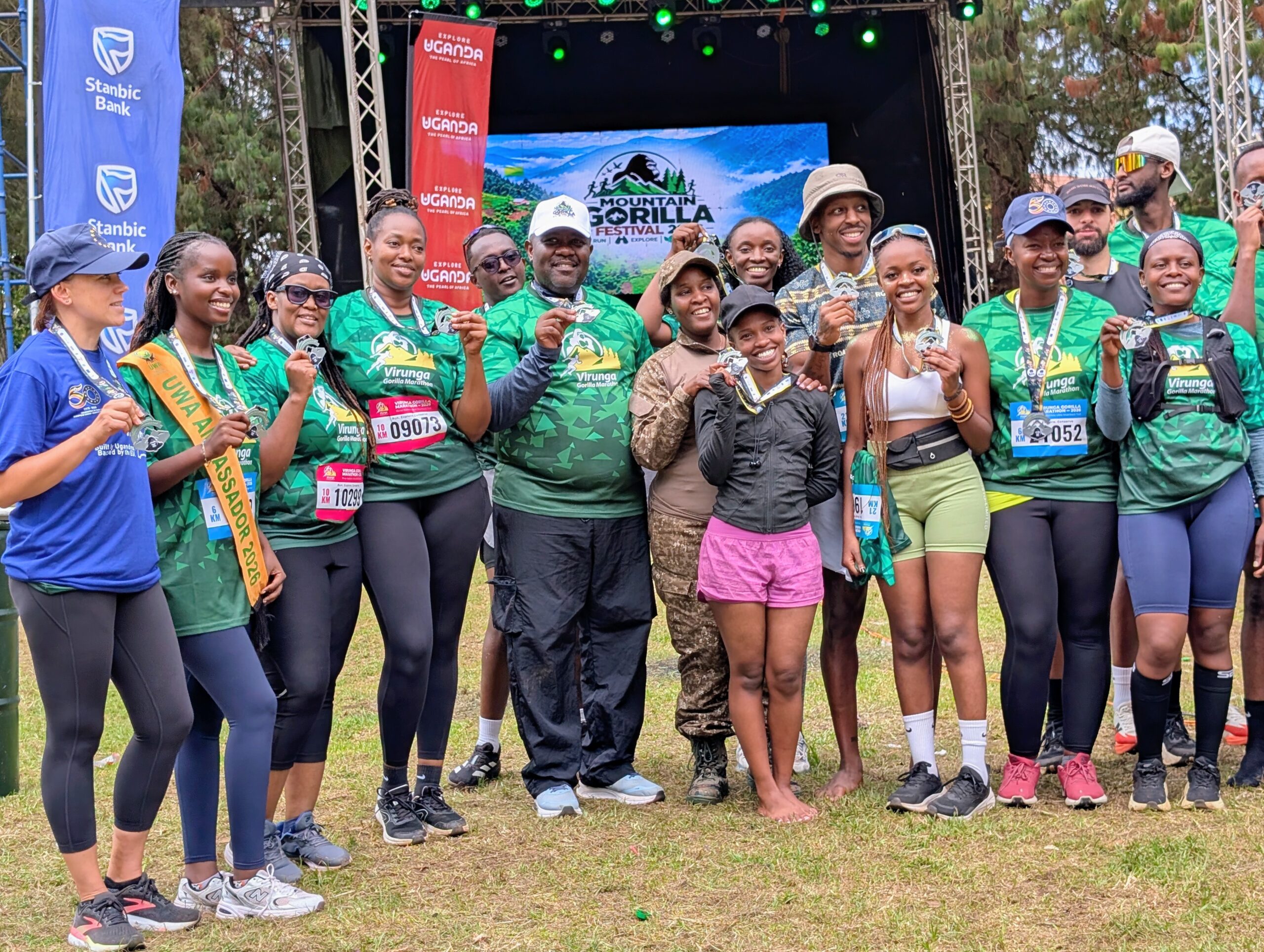
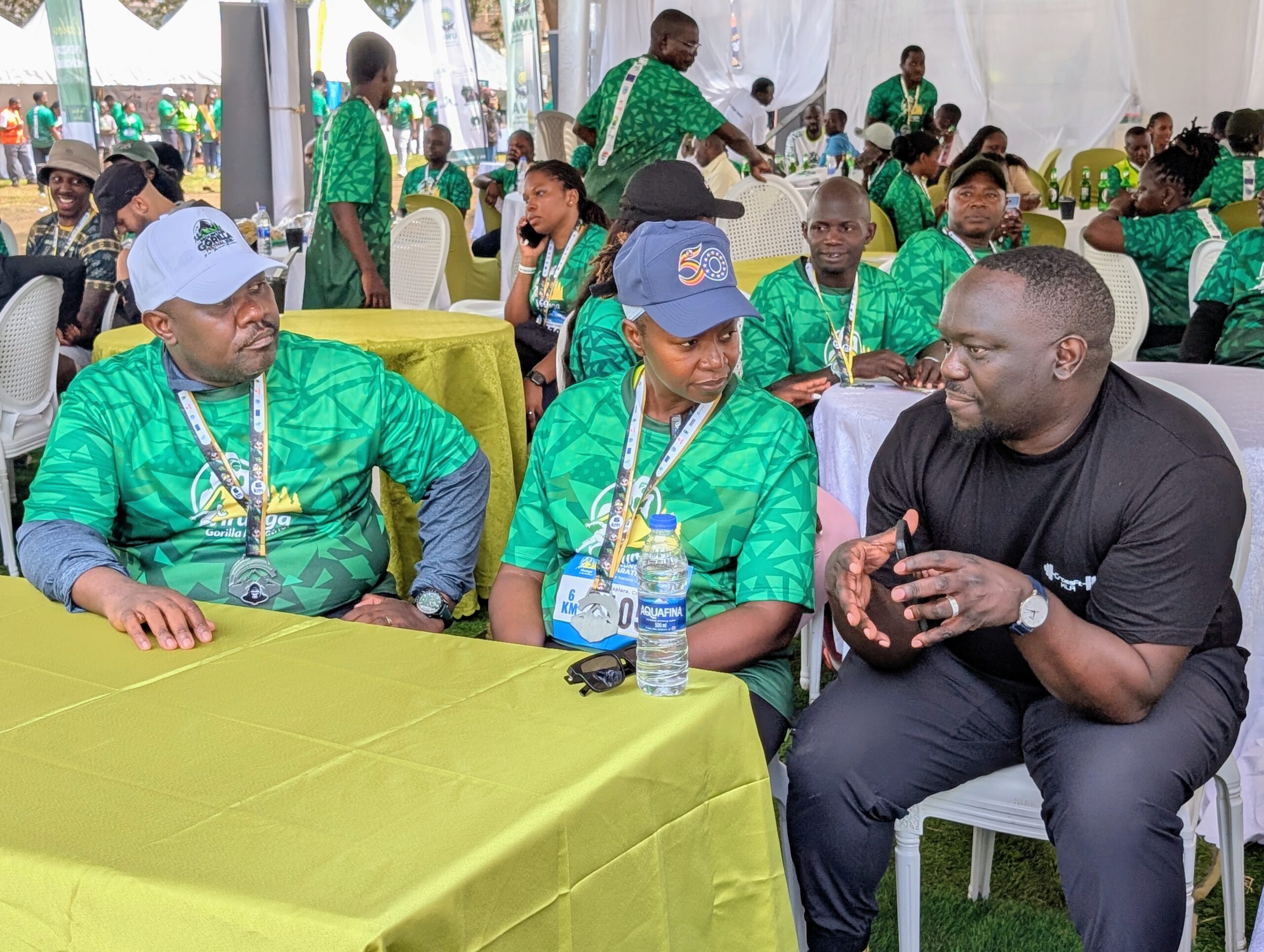
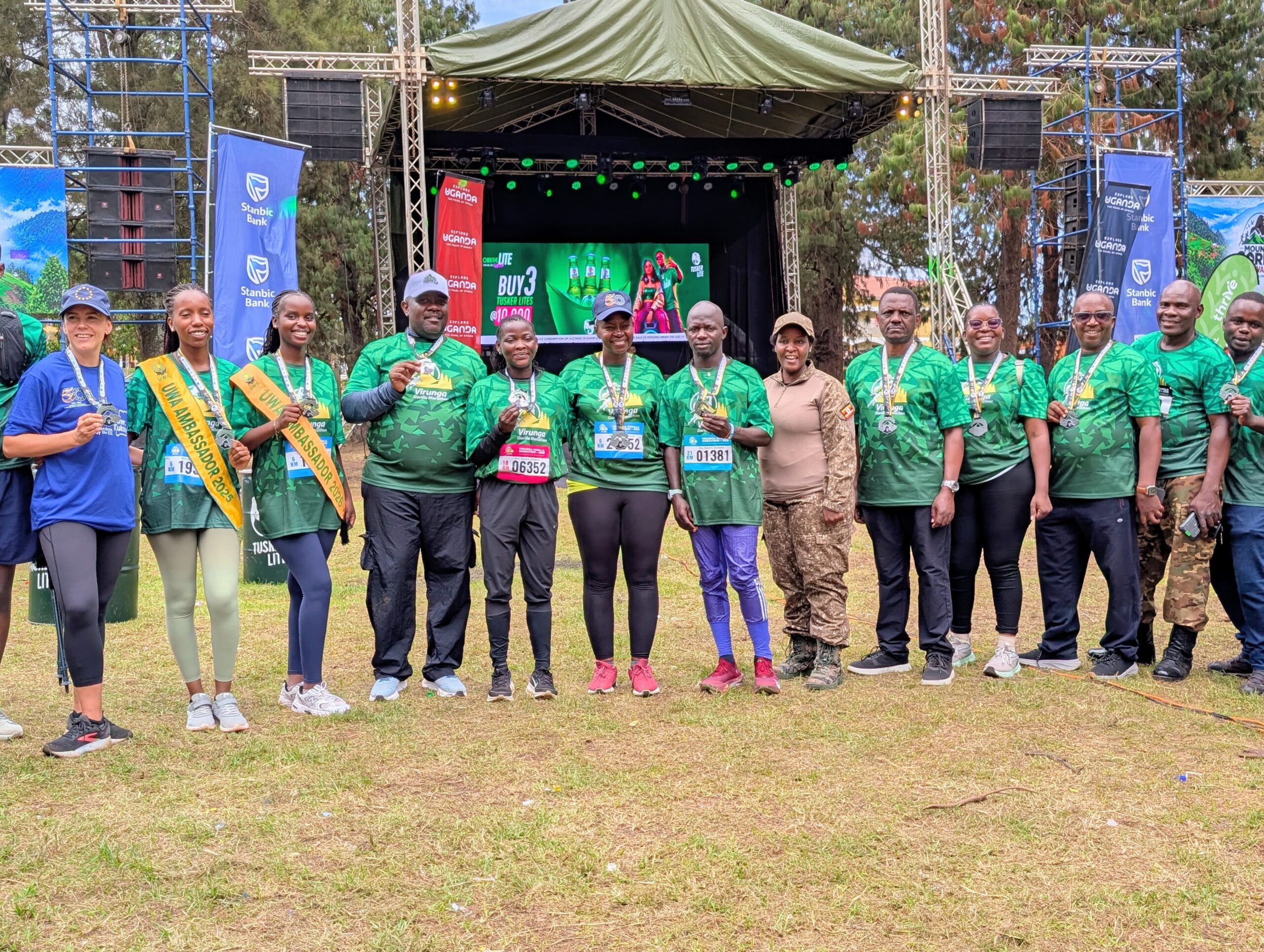
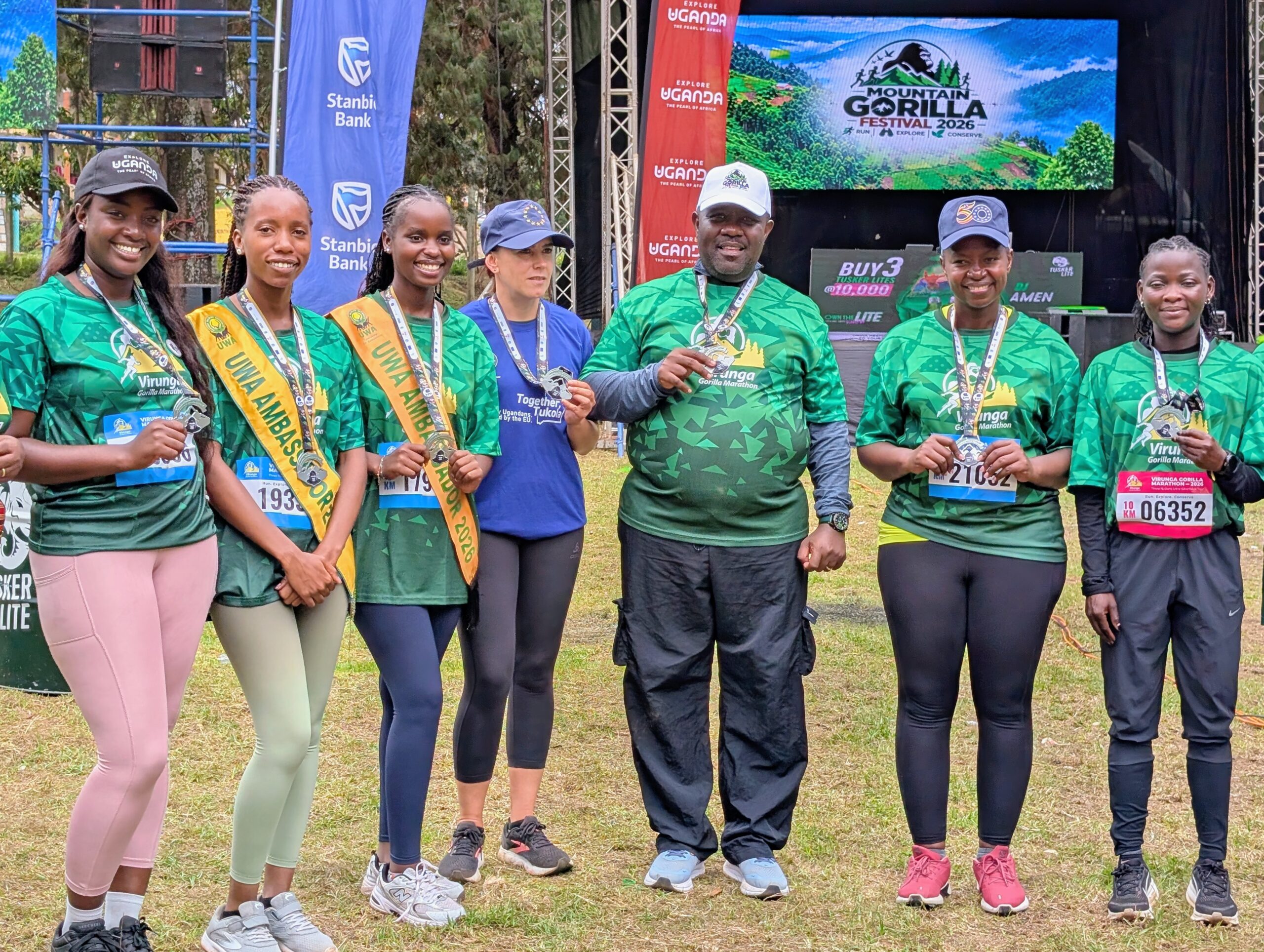
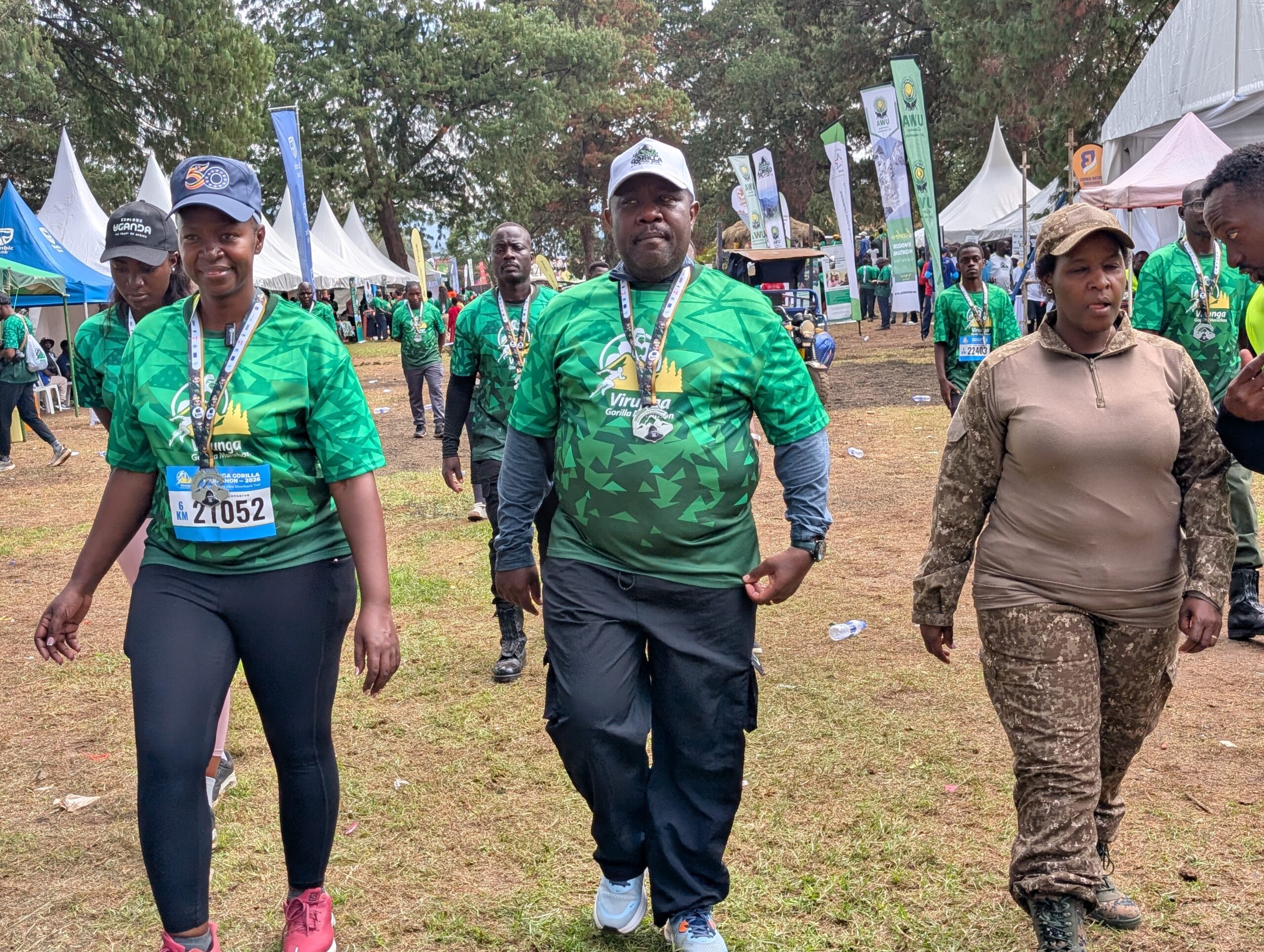
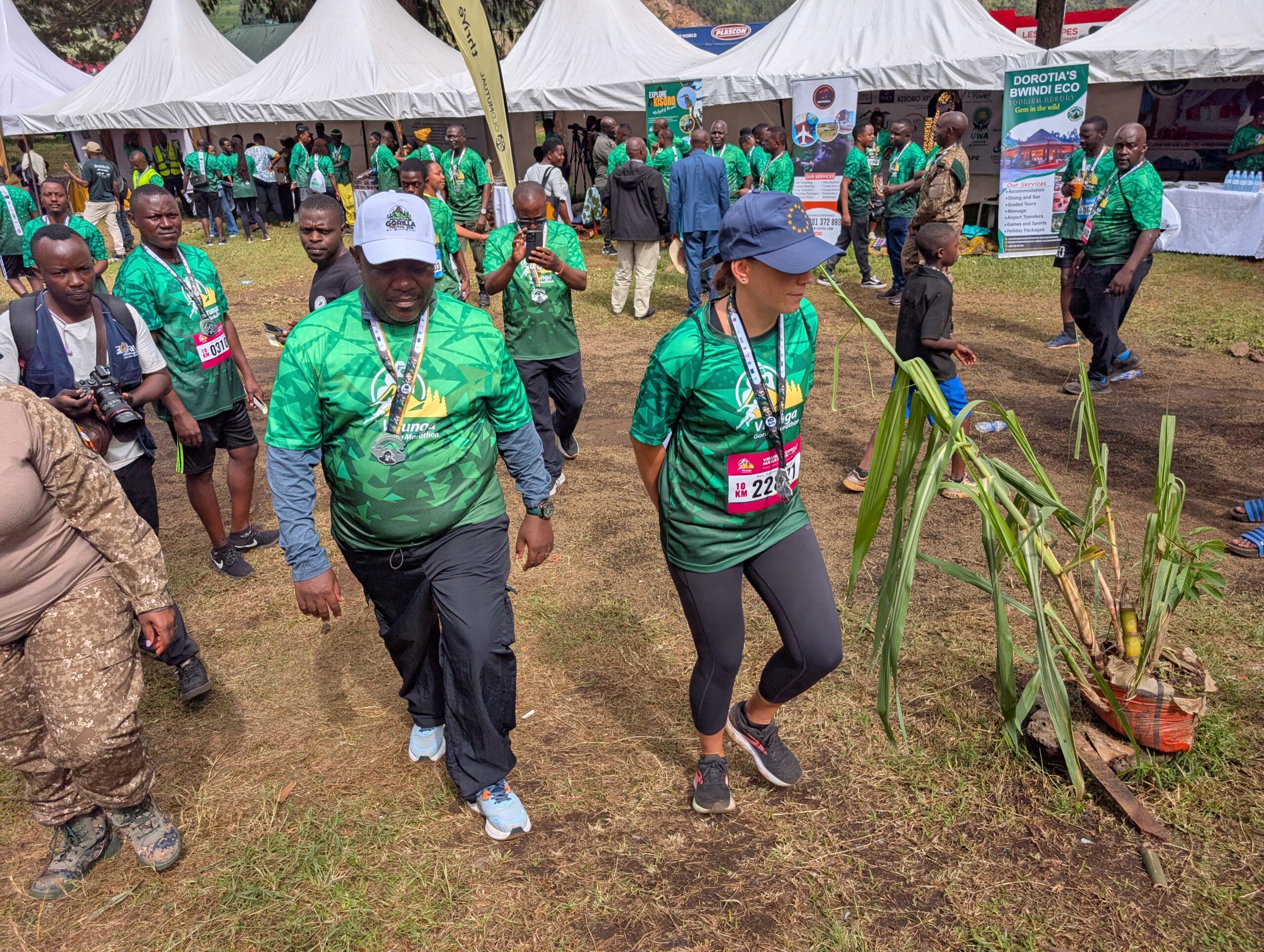
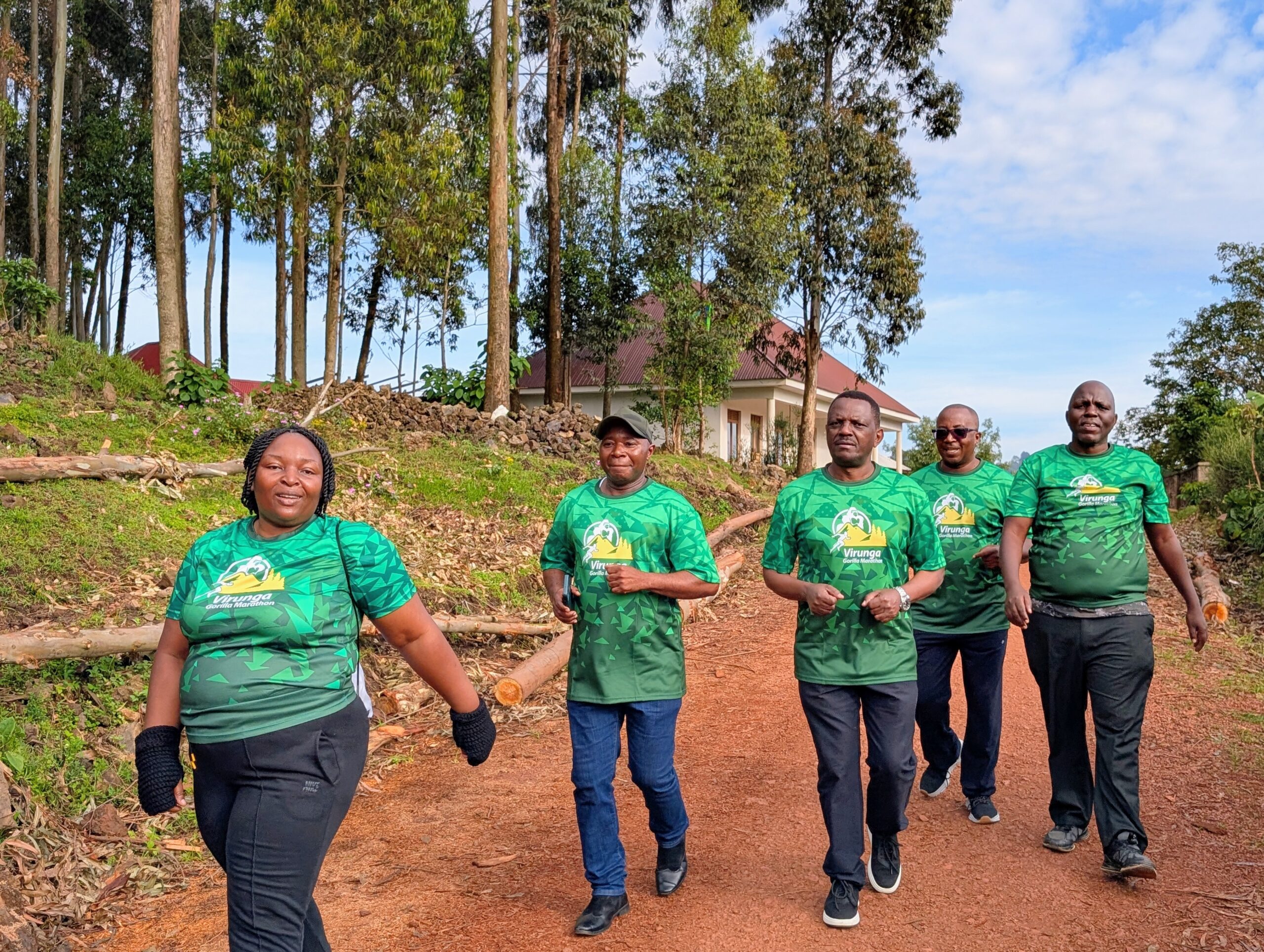
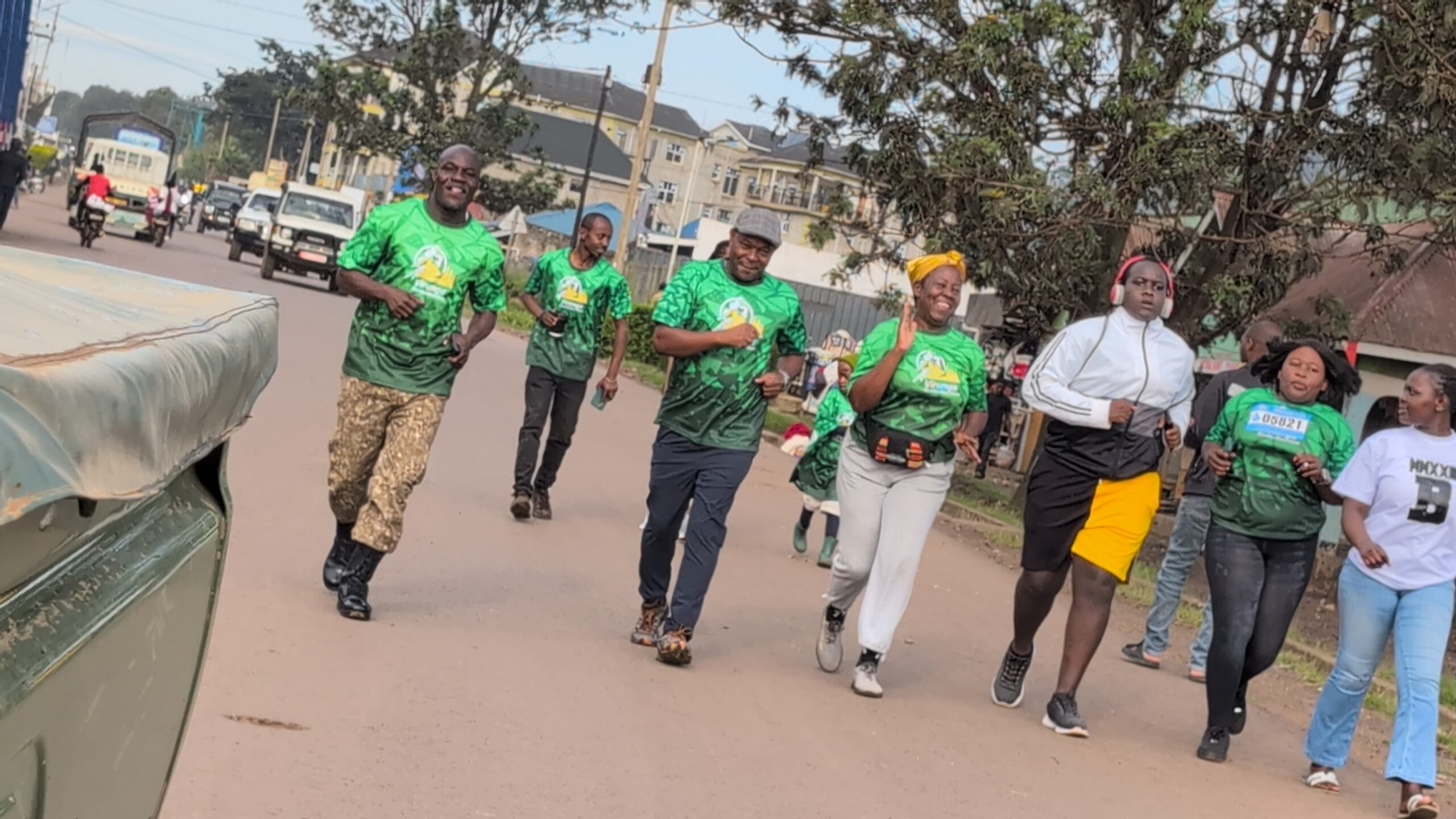
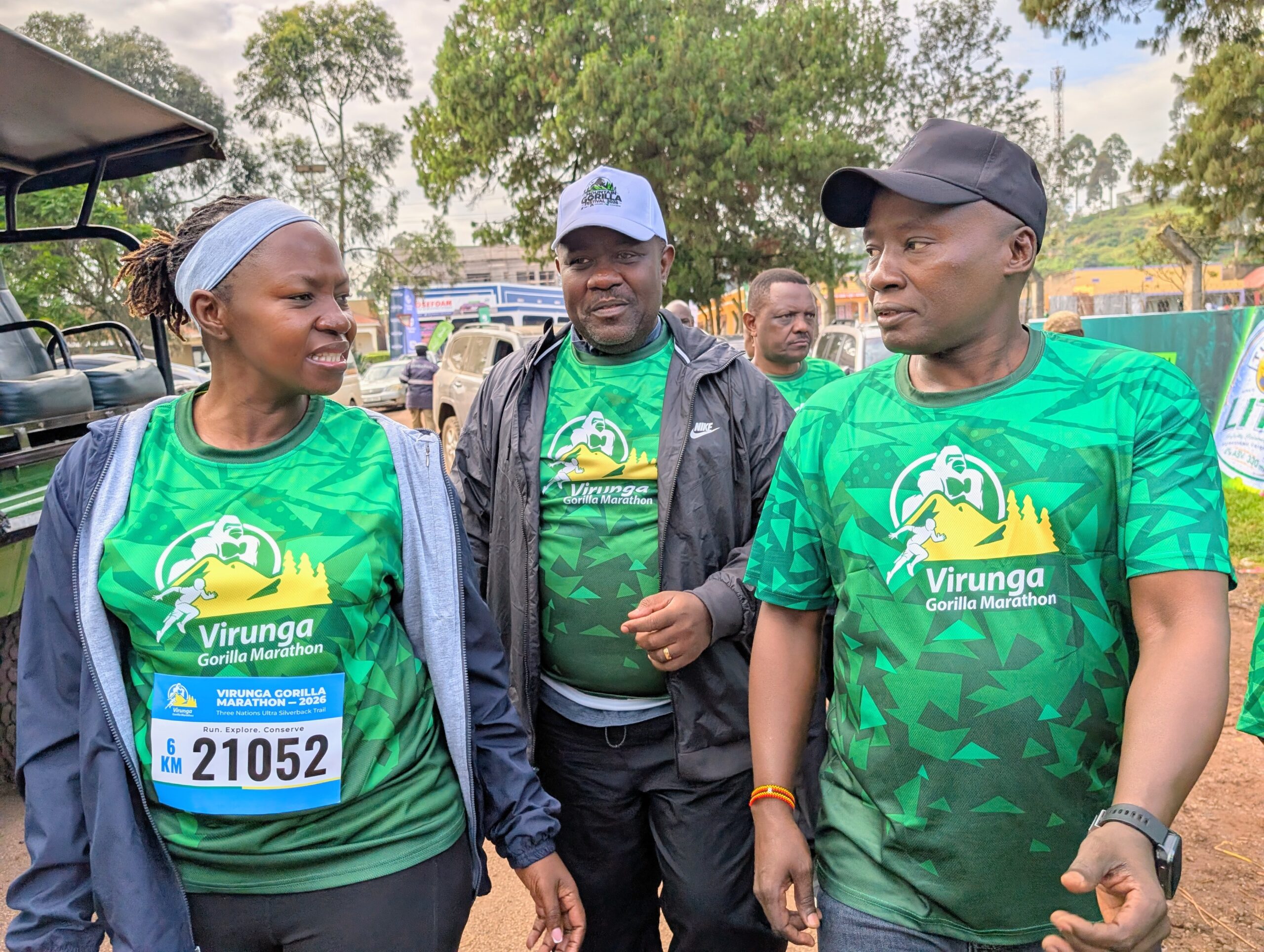
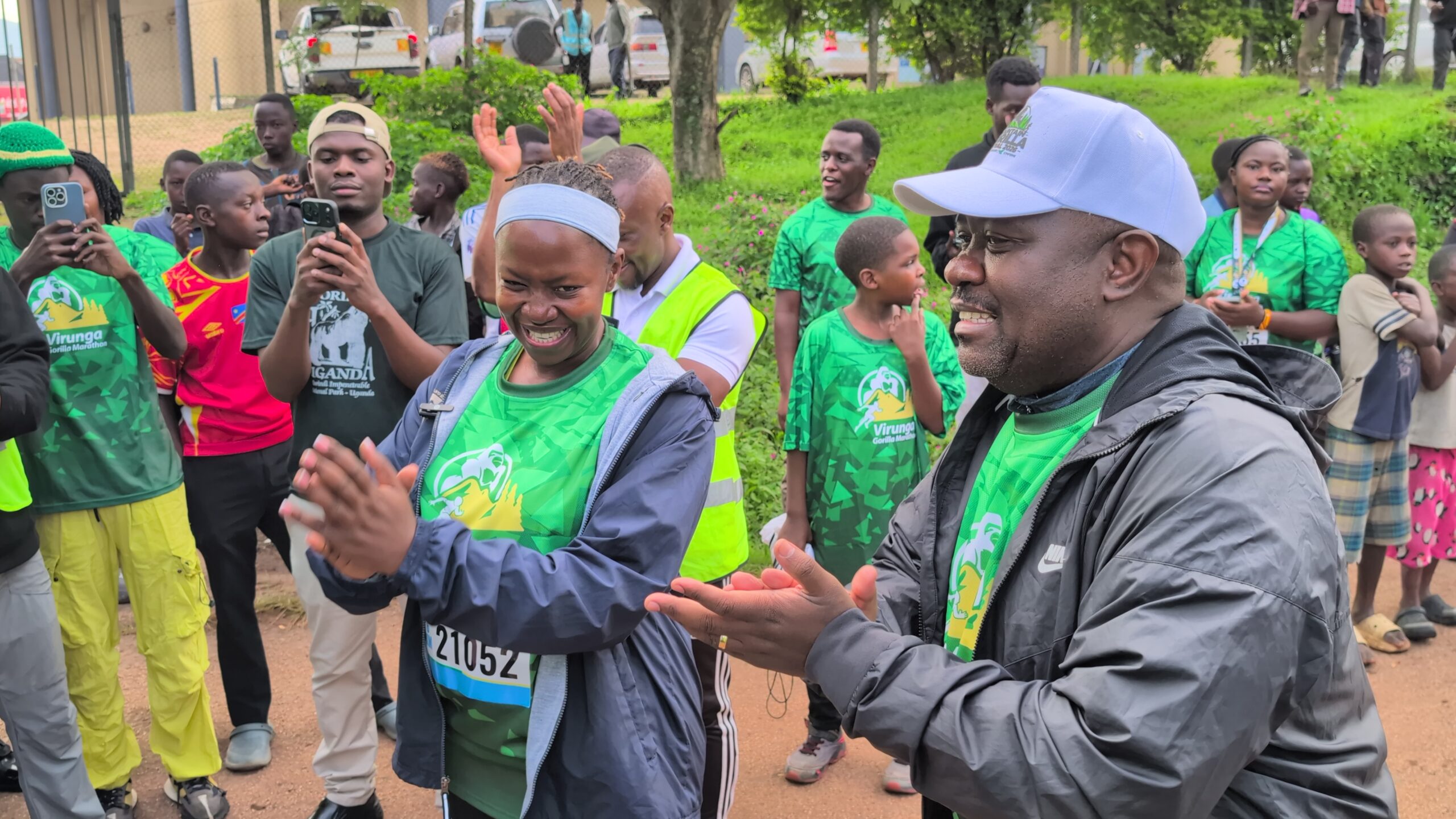
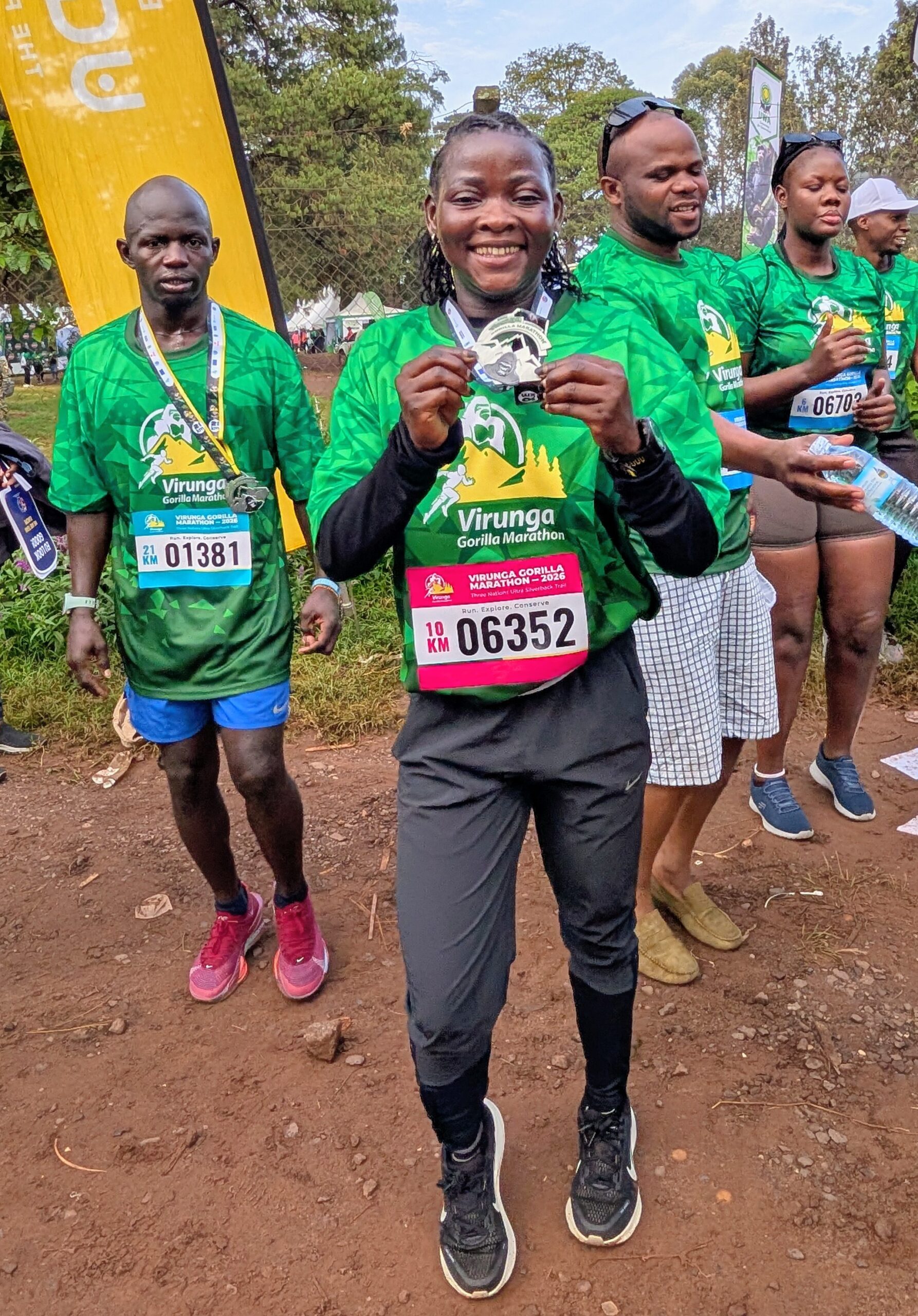
Kisoro District came alive with sport, conservation and tourism activities as the Virunga Gorilla Marathon brought the Mountain Gorilla Festival 2026 to a successful conclusion. Held at the Mayor’s Garden, the marathon attracted government officials, conservation partners, international visitors and local communities, united by a shared commitment to protecting mountain gorillas while creating economic opportunities for Ugandans.
Organised by the Uganda Wildlife Authority (UWA) under the theme “Protecting Gorillas, Empowering Communities,” the marathon formed part of the four-day Mountain Gorilla Festival 2026, which ran from November 19 to 22 in Kisoro District.
The event used sport as a platform to promote gorilla conservation, showcase Uganda’s tourism potential and encourage communities to tap into the economic opportunities generated by wildlife tourism.
The Minister of State for Tourism, Wildlife and Antiquities, Hon. Susan Nakawuki, challenged Ugandans to recognise and embrace the business opportunities created by major tourism events, urging local entrepreneurs to position themselves to benefit from the growing number of visitors coming into the country.
She encouraged residents to invest in photography, branded T-shirts, traditional foods, bottled water, umbrellas, souvenirs and locally produced agricultural products, noting that even small businesses could generate meaningful income when properly organised.
“Everyone wants to show that they attended an event in Uganda. Someone selling T-shirts can make money. You can take photographs, print them and sell them at affordable prices. You can also sell Rolex, water, umbrellas and other products. There is an opportunity for every single Ugandan,” Nakawuki said.
She particularly urged Ugandans to prepare for the opportunities presented by the forthcoming Africa Cup of Nations (AFCON), saying visitors would require accommodation, transport, food, souvenirs and other services.
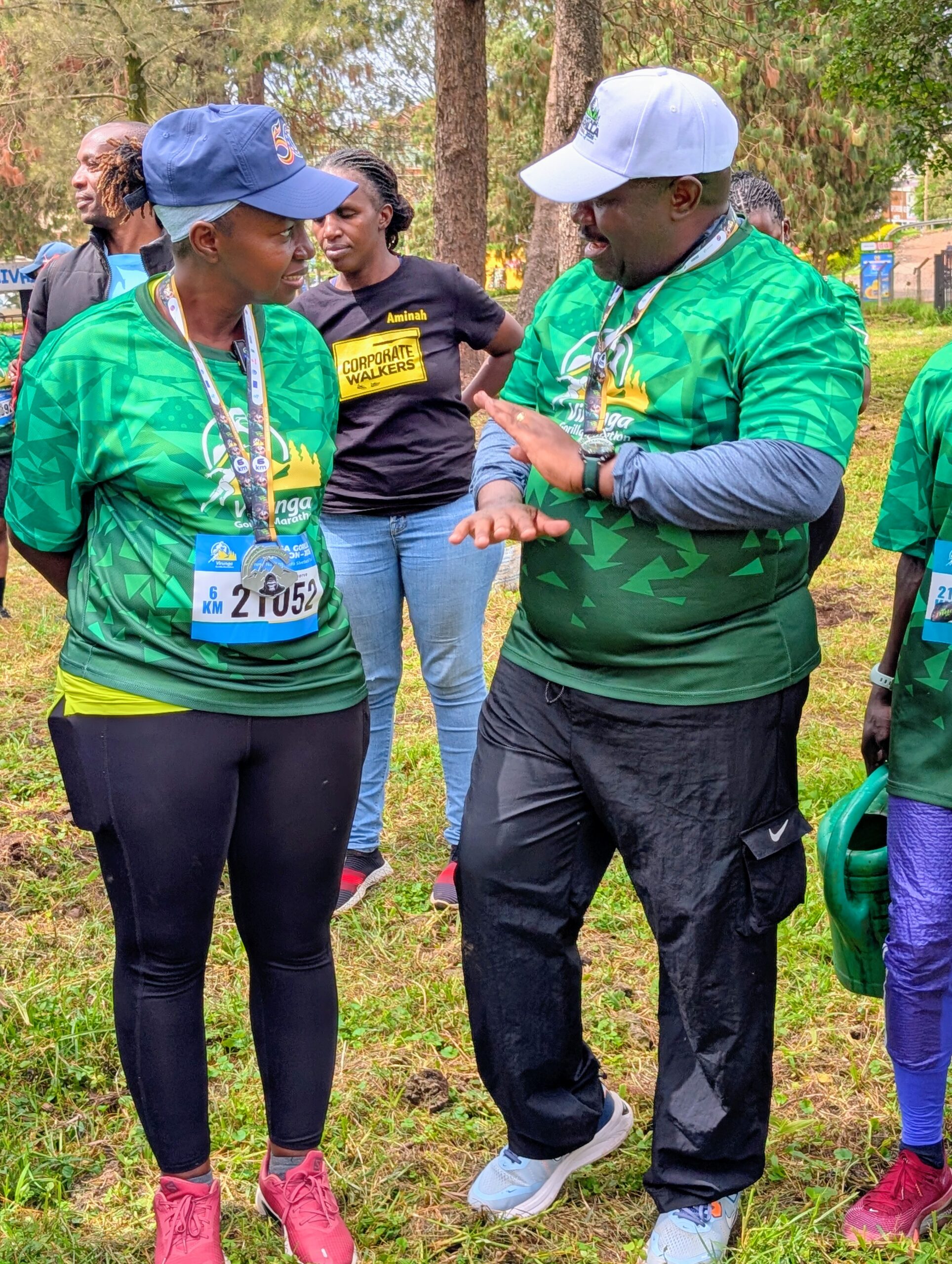
UWA Executive Director Dr James Musinguzi described the marathon as a successful conservation and tourism awareness initiative, revealing that he personally participated in the six-kilometre race and secured second position.
He said the marathon was part of a wider programme that included a community engagement conference and a cultural day, all intended to put local communities at the centre of wildlife conservation.
“As I said yesterday, an hungry community cannot conserve. That is why, as Uganda Wildlife Authority, we are trying to put the community at the centre of conservation,” Musinguzi said, emphasising the need to move from human-wildlife conflict towards peaceful human-wildlife coexistence.
He explained that tourism presents numerous opportunities for ordinary Ugandans, from providing accommodation and transport to operating restaurants, selling local products and participating in other tourism-related businesses.
Musinguzi also called on Ugandans to prepare for AFCON, encouraging homeowners to offer accommodation through online platforms, motorists to provide transport and entrepreneurs to establish businesses serving visitors.
“The five million or so people who are coming to Uganda should leave money here in the pockets of Ugandans,” he said.
On conservation, Musinguzi said the marathon had raised awareness about Uganda’s mountain gorillas and the importance of sustaining tourism throughout the year. He noted that UWA had introduced subsidised low-season gorilla trekking rates to encourage more visitors to explore the country’s national parks beyond peak tourism periods.
He further revealed plans to make the marathon an annual event, with improvements including organised transport for participants, engagement with hotels to offer subsidised accommodation rates and the introduction of Gorilla Guardians who will adopt gorillas and receive real-time information about the animals they support.
The UWA chief also called for increased government investment in tourism infrastructure, particularly roads leading to Bwindi Impenetrable and Mgahinga Gorilla National Parks, as well as airstrips and domestic flights through Uganda Airlines.
He argued that improved connectivity would make gorilla tourism more accessible to Ugandans and international visitors who may prefer flying rather than undertaking lengthy road journeys.
Musinguzi also highlighted the importance of expanding wildlife corridors, particularly between Bwindi Impenetrable National Park and the proposed Chuya conservation area, to support wildlife movement and improve habitat connectivity.
The Deputy Head of the European Union Delegation to Uganda, Eole Sury whose institution supported the marathon, praised the initiative for bringing conservation, climate action and community development together.
She said the EU was proud to support efforts to promote Kisoro and position the marathon among internationally recognised trail-running events.
“The landscape was so beautiful, although the course was quite steep. I suffered a lot, but I came back stronger,” she said, reflecting on her participation.
She also called for stronger cooperation among East African countries in organising similar conservation and tourism events, noting that regional collaboration would help promote shared attractions and strengthen East Africa’s position as a competitive tourism destination.
The Mountain Gorilla Festival 2026, under which the marathon was held, is intended to become an annual event rotating across the Kigezi sub-region, with Kisoro hosting the inaugural edition, Kabale expected to host the next and Kanungu or Kihihi considered for subsequent editions.
Beyond the marathon, the festival has featured cultural performances, community exhibitions and conservation engagements, giving local entrepreneurs an opportunity to showcase their products and connect with visitors.
Enjoy Pictorial Below