By Frank Kamuntu | Mr Swift
Entebbe, Uganda — HortiFresh Uganda has convened key stakeholders in the fresh fruits and vegetables sector to discuss strategies for boosting exports, improving compliance with international food safety standards, reducing transportation costs and strengthening market access for Ugandan produce.
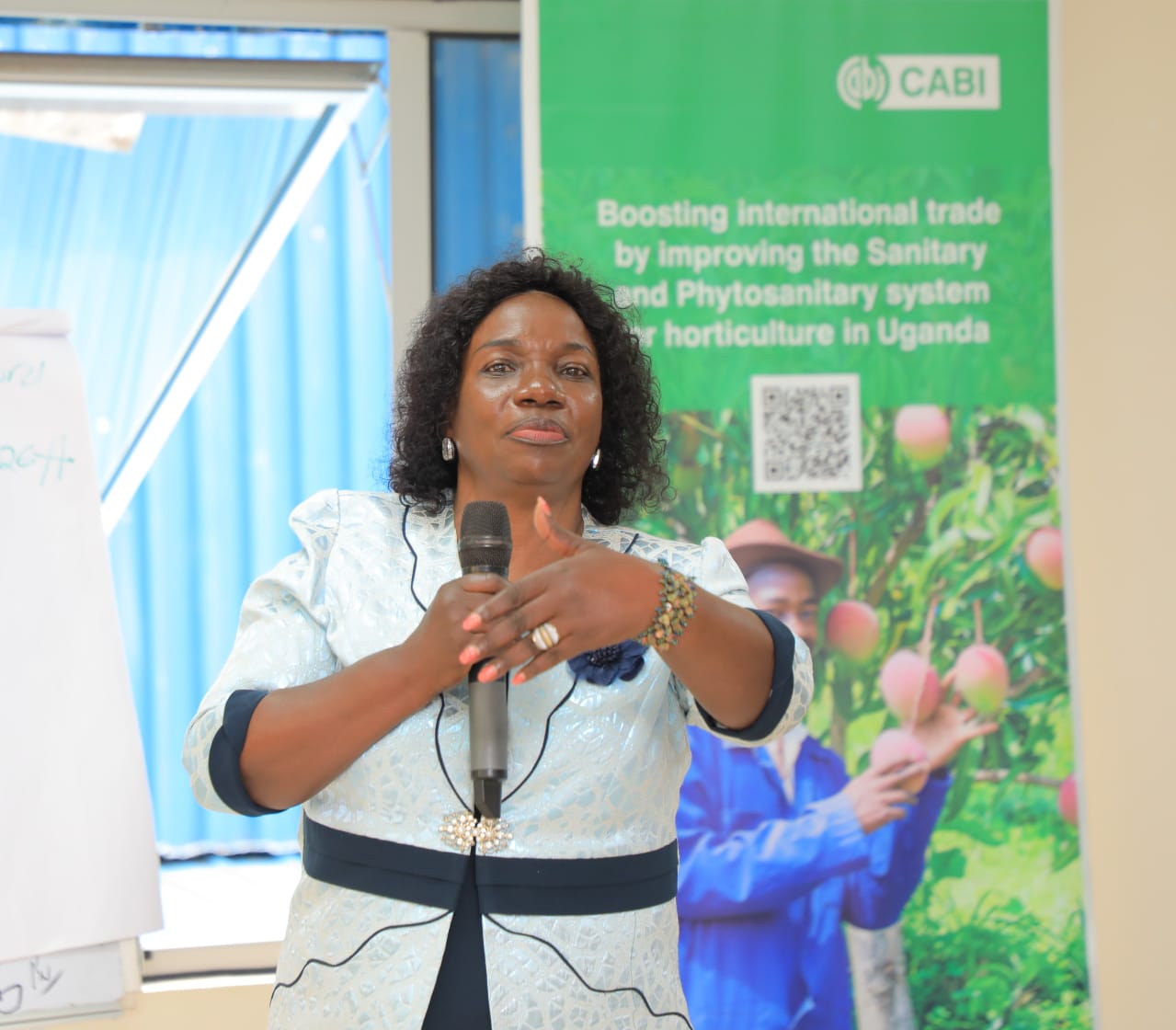
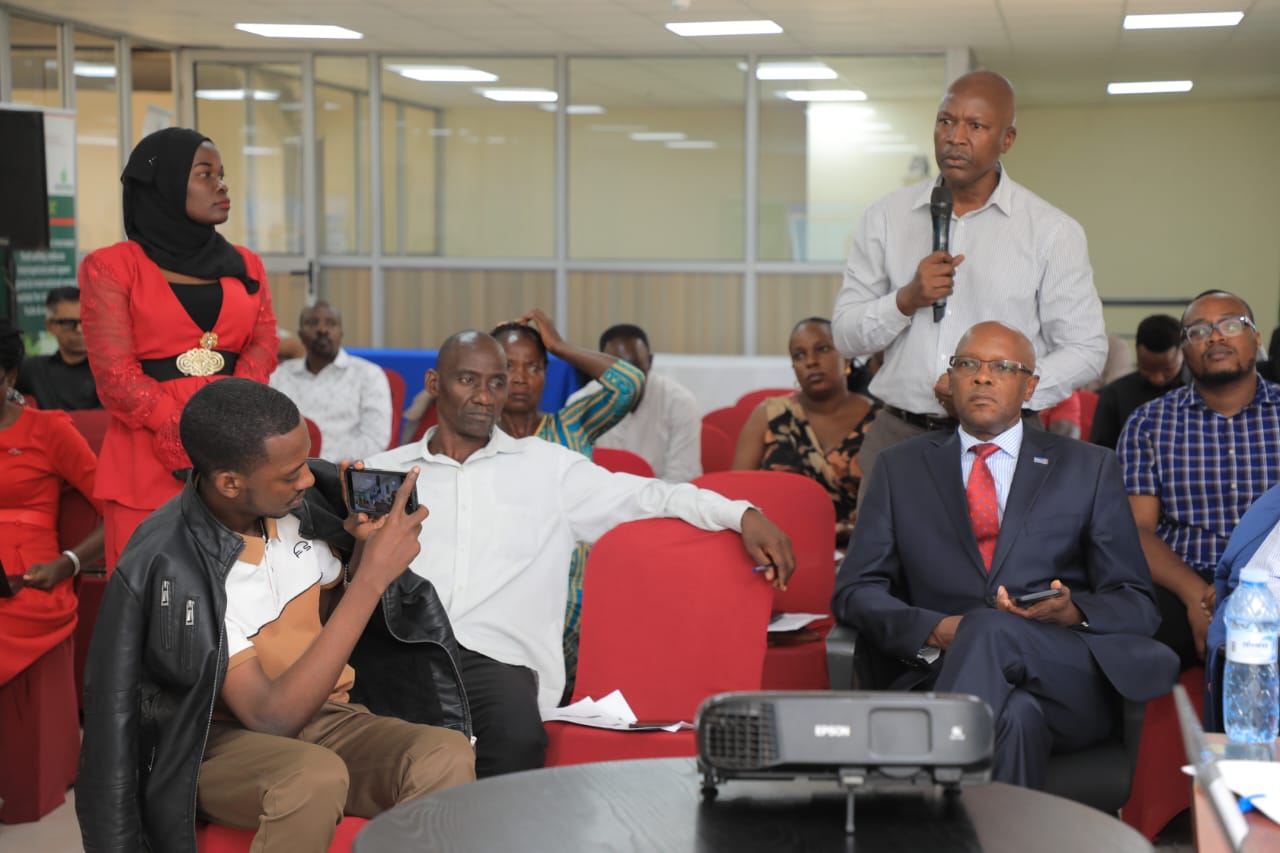
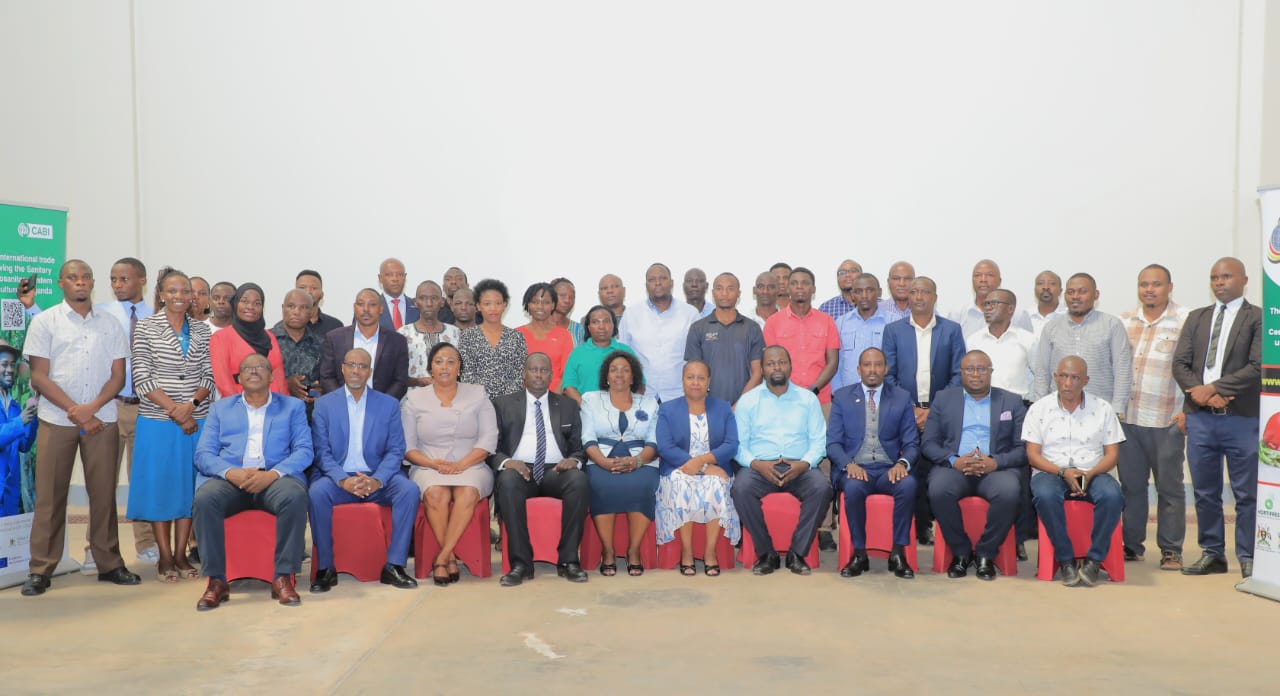
The stakeholders’ engagement, held at HortiFresh offices in Entebbe, brought together exporters, producers, input suppliers, government representatives, development partners, associate members and sister associations to review ongoing interventions, identify challenges and agree on practical solutions for improving the sector’s competitiveness and sustainability.
The forum, supported by the European Union (EU) through the EU-funded Sanitary and Phytosanitary Standards (EU SPS) project implemented by the Centre for Agriculture and Bioscience International (CABI), also focused on reviewing HortiFresh’s code of conduct and the business plan for a proposed Centre of Excellence and standard packing facility.
Speaking at the meeting, HortiFresh Chief Executive Officer Steven Mugabi said the engagement was intended to create a common understanding of stakeholders’ activities, assess the progress of existing interventions and identify gaps that require collective action.
“HortiFresh is an apex body that coordinates and supervises interventions in the horticulture sector, specifically fresh fruits and vegetables. We bring together exporters, producers and input providers under one umbrella,” Mugabi said.
He noted that HortiFresh has a membership of more than 300 members and invited over 60 core stakeholders to the forum to discuss the sector’s challenges and develop a clear roadmap for addressing them.
Mugabi said the discussions also considered the needs of international buyers to ensure that interventions within Uganda’s horticulture sector respond to changing market requirements and create opportunities for increased exports.
He expressed optimism that closer collaboration between private-sector players and development partners, including the European Union, would help Uganda expand its export base and improve the performance of the fresh fruits and vegetables value chain.
Reducing Transport Costs & Improving Export Competitiveness
One of the major concerns raised during the engagement was the high cost of air freight, which Mugabi identified as a significant constraint on the competitiveness of Ugandan horticultural exporters.
According to Mugabi, more than 40 per cent of exporters’ revenues goes towards air freight, leaving businesses with limited margins and making it difficult to compete effectively in international markets.
He said the new HortiFresh management intends to engage Uganda Airlines to explore partnerships aimed at reducing freight costs and making air transport more affordable for exporters.
“We are going to engage Uganda Airlines to see how we can work closely with them. We want to ensure that these air freight costs are reduced to a level that is affordable to our exporters,” he said, adding that an arrangement through a memorandum of understanding was envisaged to support the effort.
Mugabi said HortiFresh also plans to establish a centralised packing facility at its Centre of Excellence in Entebbe. The facility is expected to provide exporters with access to shared infrastructure and services, making it easier to prepare produce for international markets.
He added that the organisation is engaging partners beyond Uganda to strengthen market intelligence and facilitate access to high-value export destinations.
The initiatives are intended to address some of the operational challenges facing exporters while improving the quality, handling and reliability of Ugandan fresh produce supplied to international buyers.
EU Support To Strengthen Compliance With International Standards
The EU-funded SPS project, implemented by CABI, is supporting efforts to improve compliance with sanitary and phytosanitary requirements among farmers, exporters, packhouse operators and other actors in the horticulture value chain.
The project manager Dr Caroline Nankinga Mary Kukiliza said the engagement was an opportunity to support HortiFresh in popularising and adapting its code of conduct to the needs of the different stakeholders it represents.
“Sanitary and phytosanitary standards are measures designed to protect human, animal and plant health. For horticultural exporters, compliance with applicable requirements is essential for accessing international markets, including the European Union,” Dr Caroline noted.
The project manager explained that the code of conduct would help establish clear operating procedures, promote responsible relationships among members and guide the organisation’s engagement with its stakeholders.
The review is also intended to strengthen the internal governance and sustainability of HortiFresh as an umbrella organisation representing Uganda’s fresh fruits and vegetables sector.
Beyond the code of conduct, the EU SPS project is supporting the development and review of the business plan for the proposed Centre of Excellence and packing facility.
According to Dr Caroline, the European Union is expected to fund the establishment of a standard packing facility at the HortiFresh premises, with equipment designed to support quality assurance and compliance with export requirements.
The planned infrastructure is expected to include cold-chain facilities, an inspection area and X-ray equipment to support the screening and handling of produce before shipment.
“The facility will aim to ensure that produce is properly packaged and assessed for relevant risks, including harmful organisms and pesticide residues, in line with the applicable requirements of importing markets, Dr Caroline added.
Meanwhile, HortiFresh Board Vice Chairperson and Head of the Lobby and Advocacy Committee, Michael Owino, said the engagement was designed to bring together the different players in the sector and create a platform for coordinated action.
Owino said the participation of exporters, government representatives, development partners, service providers, members and sister associations was important in building a shared understanding of the sector’s priorities.
He noted that the fresh fruits and vegetables industry has considerable potential to contribute to employment creation, improved household livelihoods and foreign exchange earnings through farming, aggregation, processing and value addition.
“This is a comprehensive event to bring all stakeholders into one room to discuss how we can improve the sector, work together to increase exports and serve our members better,” Owino said.
He added that stronger collaboration between HortiFresh and other sector actors would help align interventions, avoid fragmented efforts and generate greater impact across the value chain.
The engagement also provided an opportunity to examine the challenges faced by producers and exporters, identify areas where development partners can provide support and strengthen coordination between the private sector and government institutions.
Established in 2019, HortiFresh is Uganda’s officially endorsed apex body for the fresh fruits and vegetables sector. It brings together producers, exporters and service providers to promote economic development, sustainability, product quality and access to local and international markets.
The organisation’s vision is to build a sector that produces and sells safe, high-quality fresh fruits and vegetables recognised locally and internationally for excellence. Its mission is to strengthen the capacity of value-chain actors to meet safety, quality and market requirements.
Enjoy The Pictorial Below 👇